How to Clean Limestone Pavers Without Causing Chemical Damage
Limestone pavers bring a natural finish to outdoor areas, but the wrong cleaner can permanently dull or discolour their surface. In Rockhampton, dust, summer rainfall and humid conditions can leave paving dirty or encourage slippery algae in shaded areas. The safest approach is to use a pH-neutral cleaner specifically labelled as suitable for limestone, gentle agitation and thorough rinsing.
Why Limestone Needs Gentle Cleaning
Limestone contains calcium carbonate, which reacts with acids. Vinegar, lemon juice, hydrochloric acid and many brick or concrete cleaners can dissolve the surface, leaving rough patches or pale, dull marks known https://connerpxjc461.inkharbory.com/posts/a-2026-homeowner-x27-s-checklist-for-exterior-cleaning-care as etching. Even diluted acids can cause damage.
Strong alkaline cleaners, concentrated bleach and solvent-based products may also affect some stone finishes, sealers or nearby materials. A product labelled “natural” or “outdoor cleaner” is not automatically safe for limestone. Always check its intended uses and compatibility with any existing sealer.

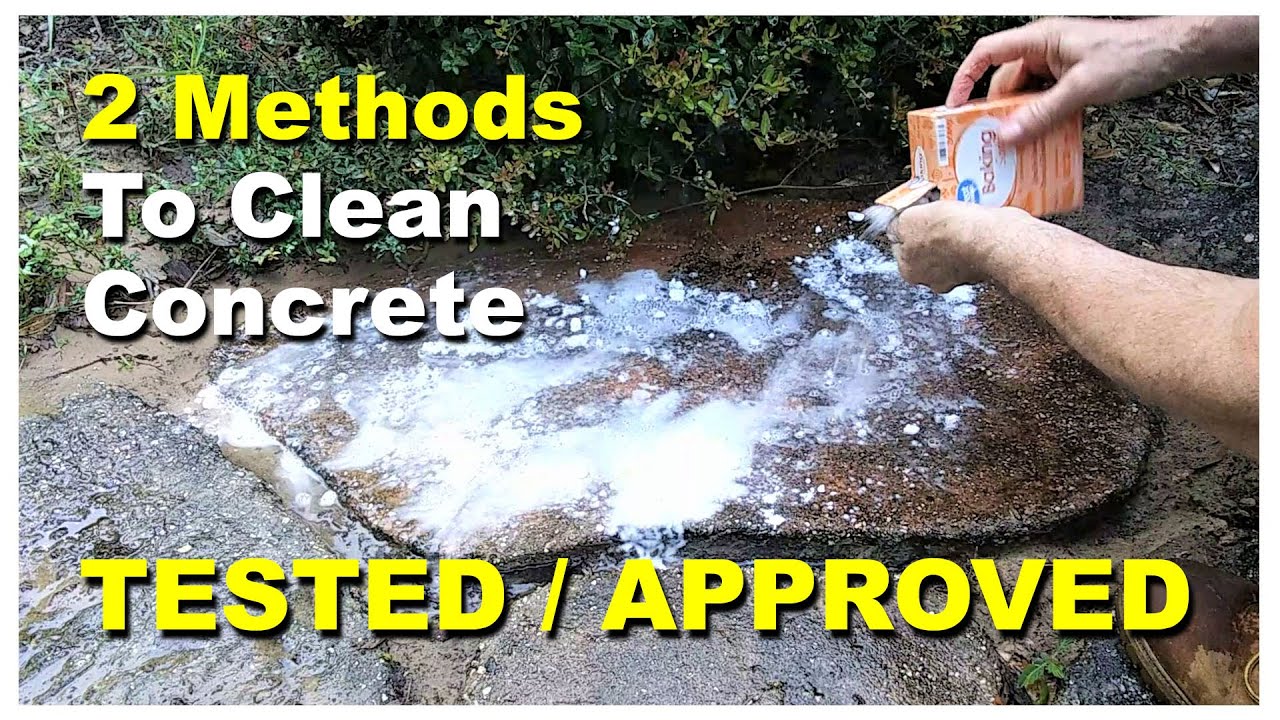
How to Clean Limestone Pavers Safely
- Choose a cool, shaded time. Avoid cleaning hot pavers in direct Rockhampton sunshine. Cleaning solution can dry too quickly and leave residue.
- Remove loose dirt. Sweep with a soft-bristled broom to lift dust, leaves and grit before adding water.
- Check and test your cleaner. Follow the limestone-safe product’s dilution instructions. Test an inconspicuous area and let it dry fully before checking for colour or finish changes.
- Clean small sections. Apply the solution as directed and gently scrub with a soft nylon brush. Keep it from drying on the stone, and avoid wire brushes or abrasive pads.
- Rinse thoroughly. Use clean water and a garden hose at gentle pressure. Direct dirty water away from garden beds, pools and stormwater drains, following product disposal instructions and local requirements.
- Inspect after drying. Check for remaining stains or slippery patches. Repeat gentle cleaning if appropriate rather than increasing chemical strength.
Dealing With Stains and Algae
Algae and mould
For green or dark growth, choose a treatment explicitly approved for limestone and compatible with its sealer. Follow the specified contact time and rinsing directions. Never mix cleaning chemicals, particularly bleach with acids or ammonia. Improving drainage and removing damp leaf litter can help limit regrowth.

Oil, rust and white deposits
Blot fresh oil without spreading it. Persistent oil stains may need a limestone-compatible poultice. Rust stains and white mineral deposits need careful identification: common acidic rust removers and efflorescence cleaners can etch limestone. Ask a natural stone specialist to assess these stains before treatment.
Should You Pressure Wash Limestone?
High-pressure washing can erode softer limestone, damage joints and leave uneven marks. A hose and soft brush are safer starting points. If pressure cleaning is necessary, have a contractor experienced with limestone assess the stone’s condition and select suitable equipment and settings. Never use a concentrated jet to chase a stubborn stain.
Protecting Limestone in Rockhampton
Sweep regularly, remove fallen leaves promptly and rinse spills before they soak in. A suitable penetrating sealer can reduce absorption and make maintenance easier, but it does not make limestone acid-proof. Select a breathable product suitable for the stone and outdoor conditions, and follow its preparation, drying and reapplication guidance.
If cleaning leaves a dull or rough patch, stop applying chemicals. Etching is surface damage, not leftover dirt, and may require professional honing or refinishing rather than stronger cleaning.
Rockhampton Pressure Cleaning Pros
(07) 4065 8492